Welcome to Vvedas
- +91 78989 82823
- invest@vvedas.com
- Mon-Fri : 10am - 7pm

Welcome to Vvedas
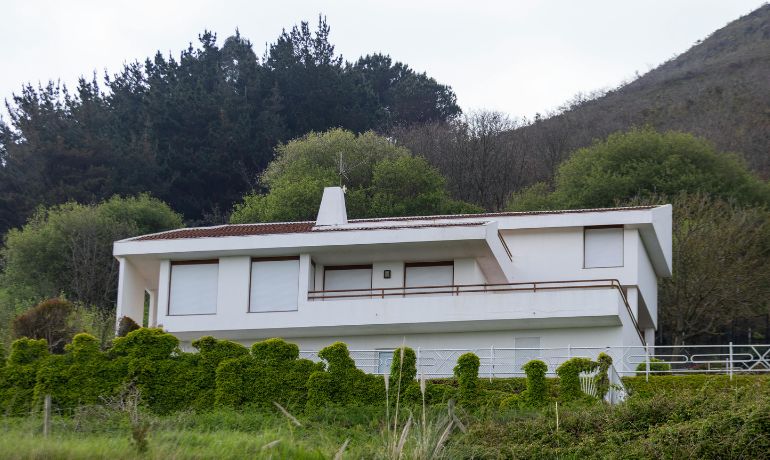
The dream of waking up to mist-covered peaks, crisp mountain air, and a slow, intentional pace of life is incredibly alluring. With remote work and digital connectivity fully established, more professionals are actively transitioning that dream into a reality by purchasing a second home or a retirement villa in the hills.
However, buying property in a mountainous region is entirely different from purchasing an apartment or a plot on flat city plains. The legal, environmental, and structural guidelines change the second you move upward.
At Vvedas, we regularly help clients navigate complex market structures. To make sure your serene mountain escape doesn’t turn into a financial or legal nightmare, our team at Vvedas highlights the top mistakes first-time buyers make—and exactly how to avoid them.
1. Overlooking Domicile Regulations and Land Ceiling Laws
Many first-time buyers assume that any Indian citizen can buy any piece of land anywhere in the country. In the hills, this is a massive misconception.
The Vvedas Explanation: Mountain states have strict laws to protect their fragile ecosystems and local demographics. For instance, under Section 118 of the Himachal Pradesh Tenancy and Land Reforms Act, non-residents are completely barred from buying agricultural land. You can only purchase pre-constructed apartments or villas within specific municipal or government-approved projects. Similarly, states like Uttarakhand impose strict limits on the maximum square footage an outsider can acquire.
How to avoid it: Always have a specialized local legal expert verify the land categorization before you exchange any money.

2. Ignoring a Geological Survey and Slope Stability
A plot might offer a breathtaking 180-degree view of the valley, but if it is sitting on an unstable, landslide-prone slope, it is a high-risk liability.
The Vvedas Explanation: Mountain soil types vary drastically. Heavy monsoon seasons can cause soil erosion, foundation shifting, or severe water retention if the land isn’t structurally sound.
How to avoid it: Never skip a proper soil and geological test. Vvedas recommends hiring an independent structural civil engineer to evaluate the retaining walls, natural water channels, and slope stability before finalizing your purchase.
3. Miscalculating “Hidden” Seasonal Challenges
A site visit during a perfect, sunny week in spring can give you a false sense of security. First-time buyers often forget that mountain weather is highly dynamic.
The Vvedas Explanation: You need to evaluate the property across all four seasons. Does the access road freeze over or become prone to blockages during heavy winter snow or monsoons? Is there a reliable, year-round natural water supply, or does the area experience acute water scarcity during peak tourist months? How efficient is the property’s insulation and drainage architecture?
How to avoid it: Talk extensively to the local neighborhood community, not just the selling agent. Ask detailed questions about power grid reliability, winter accessibility, and localized seasonal challenges.
4. Bypassing Town and Country Planning (TCP) Approvals
Just because a project is built doesn’t mean it is completely legal. In ecologically sensitive mountain belts, local development authorities enforce strict caps on building heights, Floor Area Ratios (FAR), and green-belt violations.
The Vvedas Explanation: If a developer constructs an extra floor or builds too close to a protected forest area without structural clearances, the local municipality can issue demolition orders or freeze electricity and water connections.
How to avoid it: Ensure the project has an active RERA registration and explicit TCP approval certificates for the exact structure you are buying.
Before making your mountain retreat official, Vvedas suggests running through these vital checks:
[ ] Structural Grade Check: Ensure the building materials used are climate-resilient (silicate-based concrete, treated wood, and reinforced precast beams) to withstand freezing temperatures and heavy rain moisture.
[ ] Accessibility Radius: Keep your property within a reasonable distance (ideally under 45-60 minutes) from a fully equipped zonal hospital and basic supply hubs.
[ ] Title Clearances: Ensure there are no historical family land disputes or pending ecological court cases tied to the survey number.
Investing in the hills is a beautiful way to diversify your lifestyle and your portfolio. By swapping impulsive emotional choices for strict due diligence and professional verification, you ensure your mountain home remains a peaceful sanctuary for generations to come.